
What usually comes up with city and county permits in this part of Illinois, and where we help.
Written by the crew at Legacy Backyards in Lincoln. [NEEDS INFO: author name and credentials, or who on the team should be named as the reviewer.]
Most inground pools in Central Illinois need a permit. The office you deal with depends on whether the property sits inside a city or village, or out in the county. We assist with the paperwork. The homeowner typically signs as the applicant and pays the fees. On some rural lots a permit may not be required. We still build to code. Fees and turnaround times vary by town, and we'll tell you what to expect for your address.
This is one of the more local questions a builder should be able to answer honestly.


City, county, and a rural lot are different jobs
A property in Lincoln is not permitted the same way as one just outside town in Logan County. The same is true in Springfield versus unincorporated Sangamon County, Bloomington or Normal versus McLean County, and Peoria versus East Peoria, which are different cities and, in that case, different counties. Champaign has its own office.
Villages like Chatham, Morton, and Tremont have their own rules. Newer subdivisions may also have association standards for fences or equipment. Those sit alongside the building permit, not instead of it.
If a rural lot doesn't need a permit, that is not permission to skip the structure or the barrier. We still build to national code.
[NEEDS INFO: a short, approved example of a permit difference between two jurisdictions we actually work in (no address, no made-up fees).]
What usually goes in the packet
Jurisdictions differ, but you should expect some mix of:
- A site plan showing the pool, distances to property lines, and sometimes utilities
- Structural or construction information for the pool type
- Barrier or fencing information
- Electrical details for equipment and bonding, handled by the appropriate licensed trade
- Inspections at the points that office requires
Don't treat a friend's permit in another town as your checklist. Ask the office that has authority over your address, or let us help you find out.
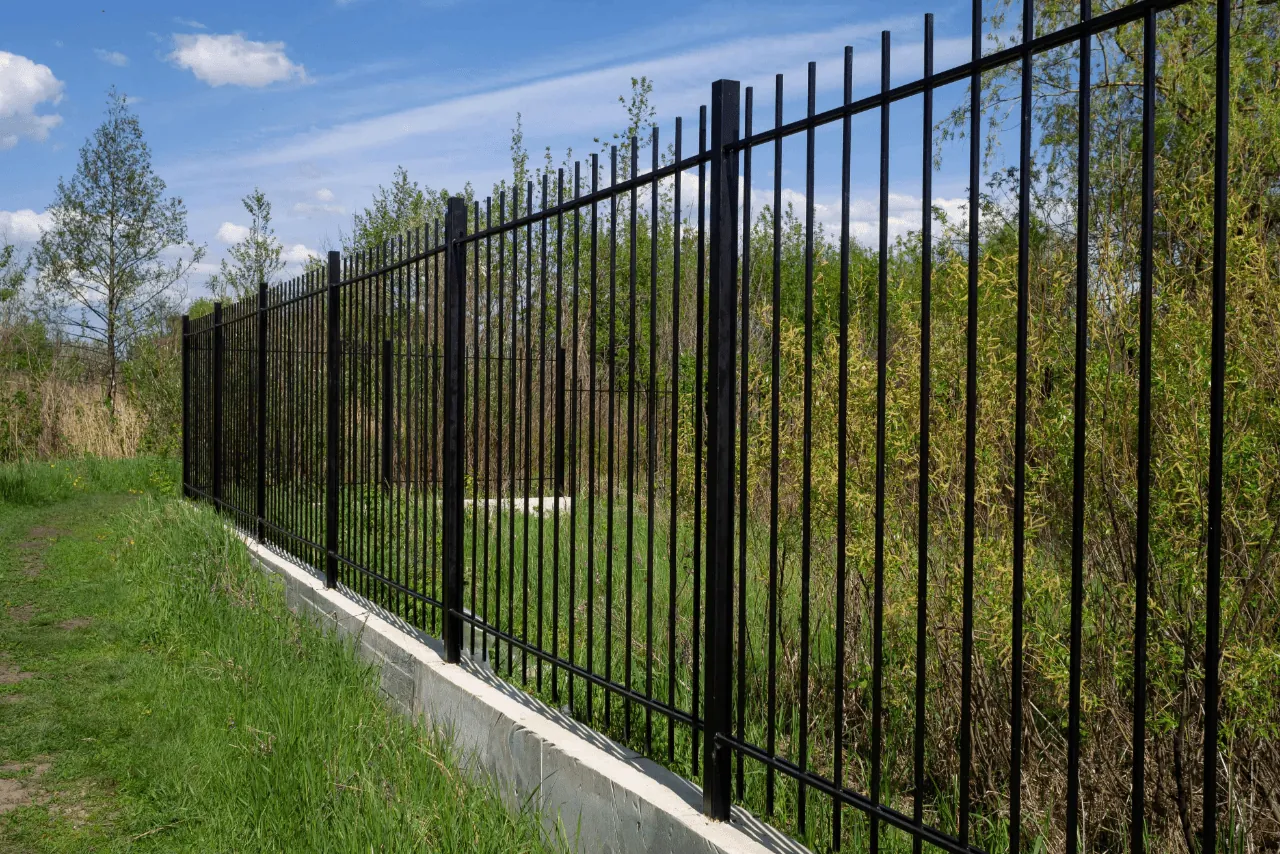
Fences, covers, and inspections
A permit is often where fence height, gates, and alarms come up. A cover can be part of a safety plan. It does not automatically replace a required barrier. We'll design to the code that applies to the lot rather than publishing a single statewide height here. [NEEDS INFO: any standard barrier language you want used, or leave it lot-specific.]
Inspections are part of the timeline. They can add days. They also catch problems before the yard is finished, which is the point.
How we help
We don't leave you to put the packet together alone. We assist, tell you what we need from you, and coordinate our work with the inspections that jurisdiction requires. You remain the applicant, and you pay the fees.
What to have ready
Know if the property is inside city or village limits. Grab a recent plat or survey if you have one. Bring any association guidelines to the consultation. Tell us about easements, septic, wells, or overhead lines. And don't lock a "must swim by" date that ignores review time.
A conversation about your address is the right place for this, not a generic map pin.
FAQs
Who signs the permit?
Typically the homeowner, as the applicant. We help assemble and move the process.
Who pays the fees?
Typically the homeowner. We'll tell you what to expect once we know the jurisdiction.
What if my rural property doesn't need a permit?
We still build to code. "No permit" is not "no standard."
Does a safety cover replace a fence?
Usually not by itself. Ask what your jurisdiction requires, and see fencing.
